L'Artban
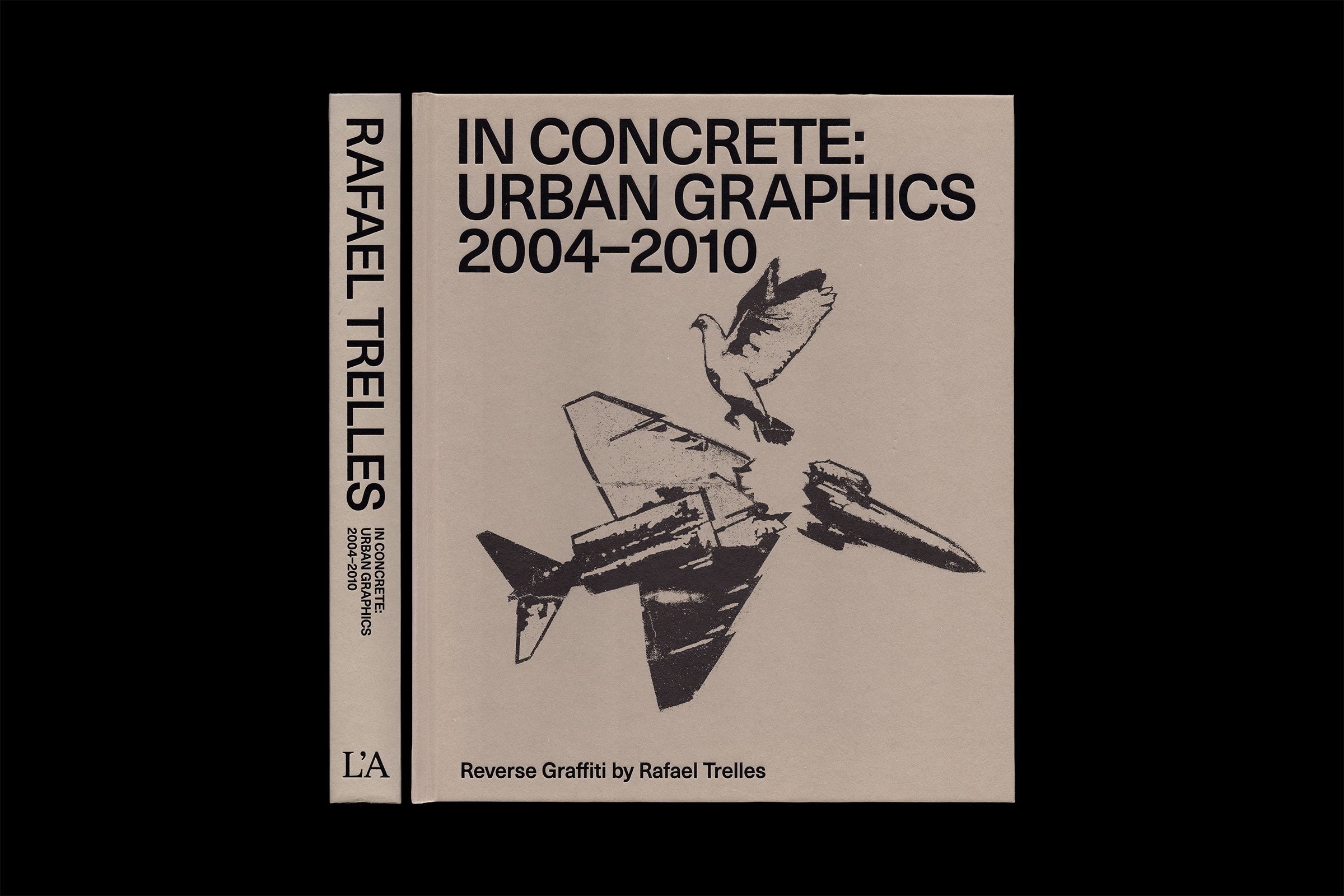
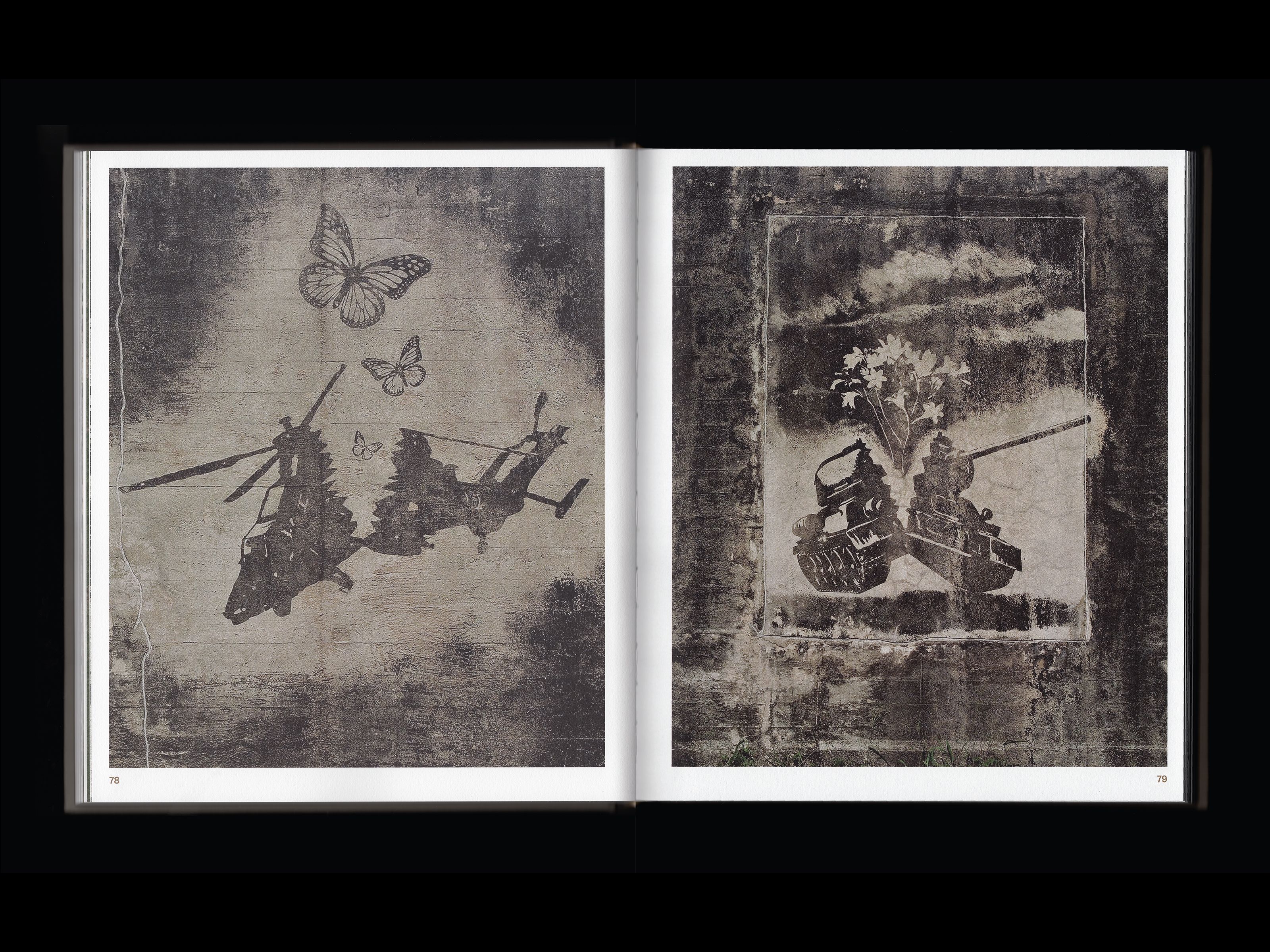
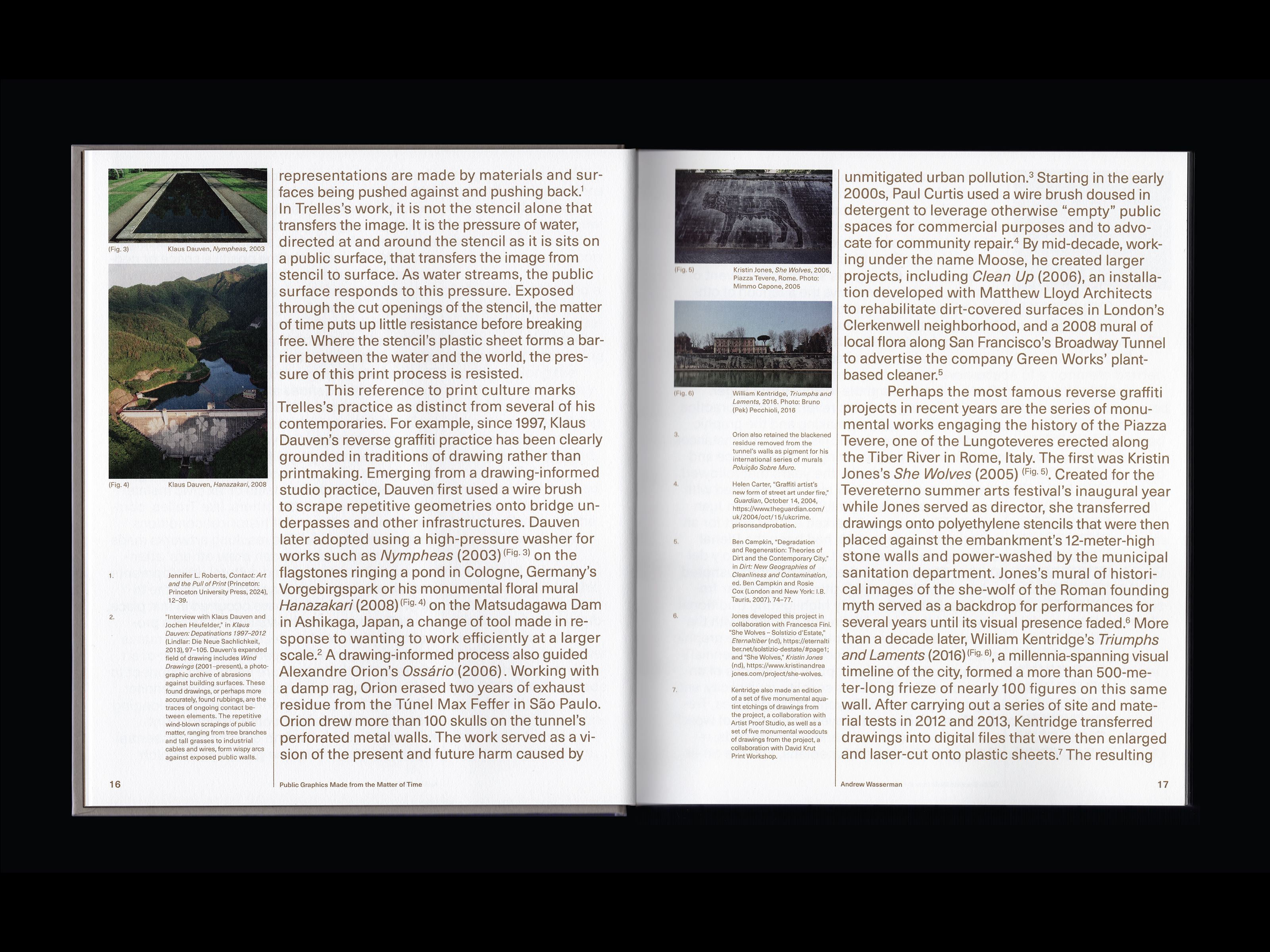
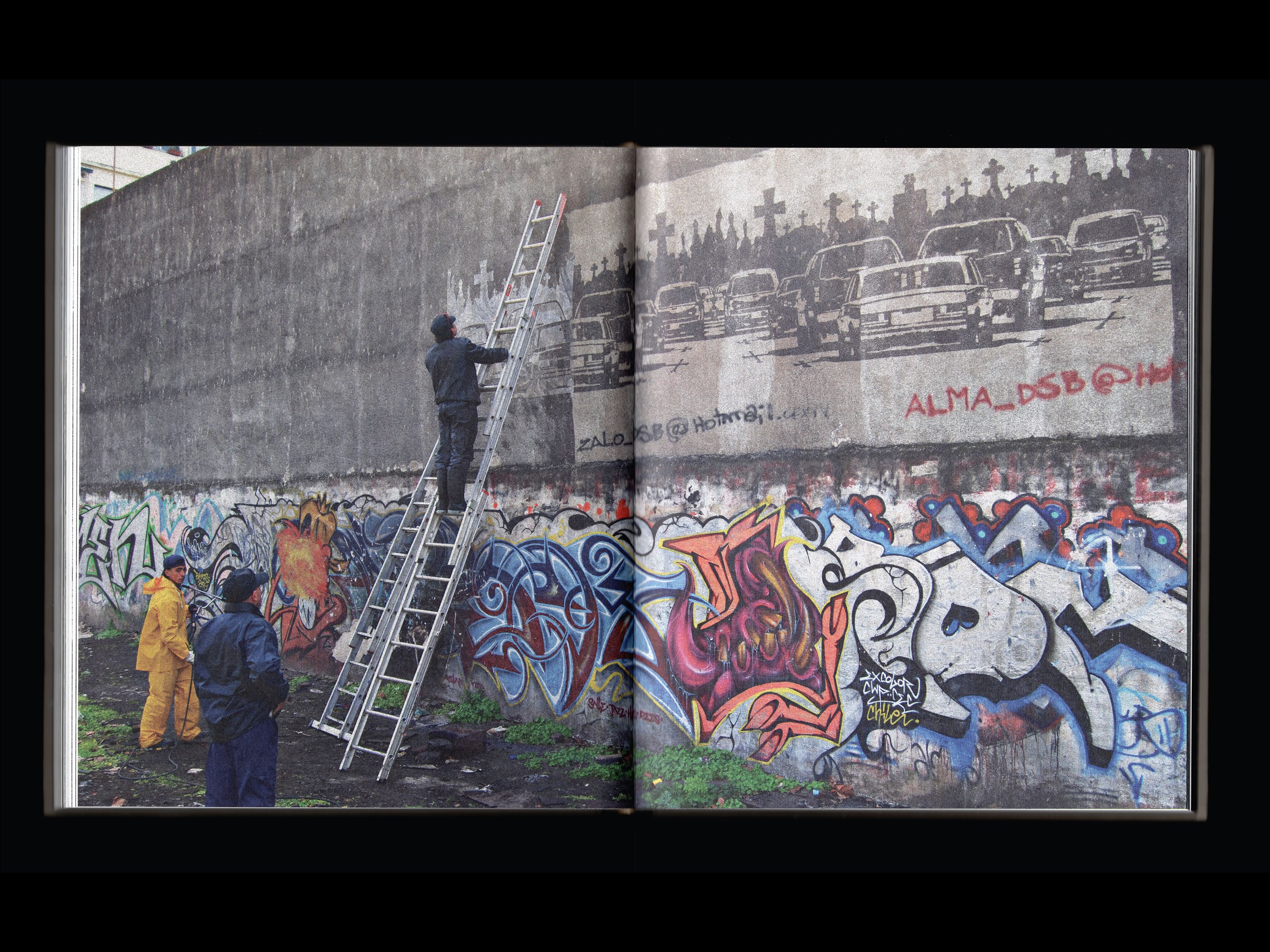
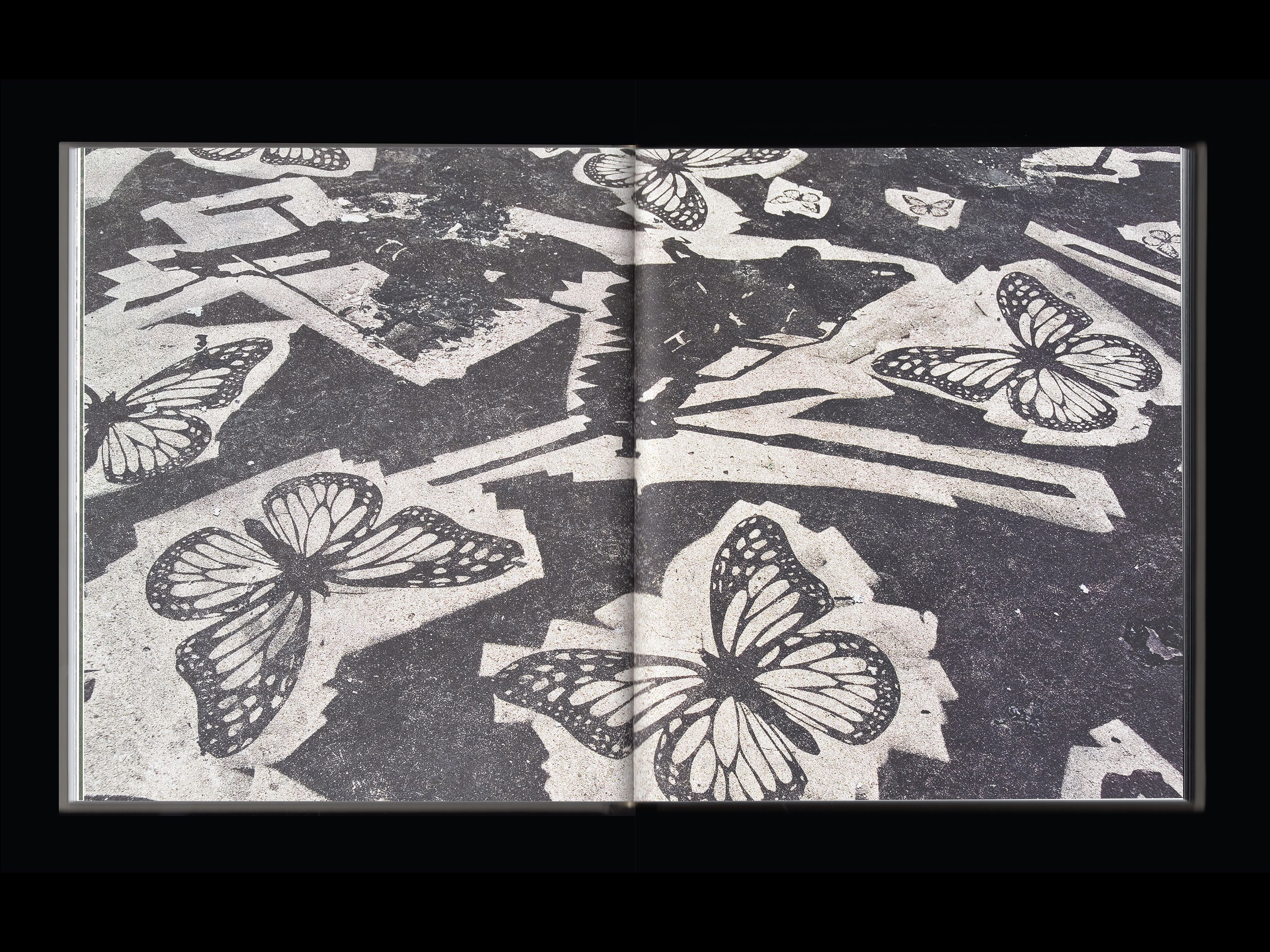
In Concrete: Urban Graphics 2004–2010, is a 212-page publication documenting the public art of Puerto Rican artist Rafael Trelles. Working internationally, Trelles utilizes the experimental reverse graffiti technique, selectively power-washing dirt and grime from urban surfaces to create temporary interventions. Featuring diverse voices and an art history essay by Andrew Wasserman, the publication serves as a permanent archive for this ephemeral medium.
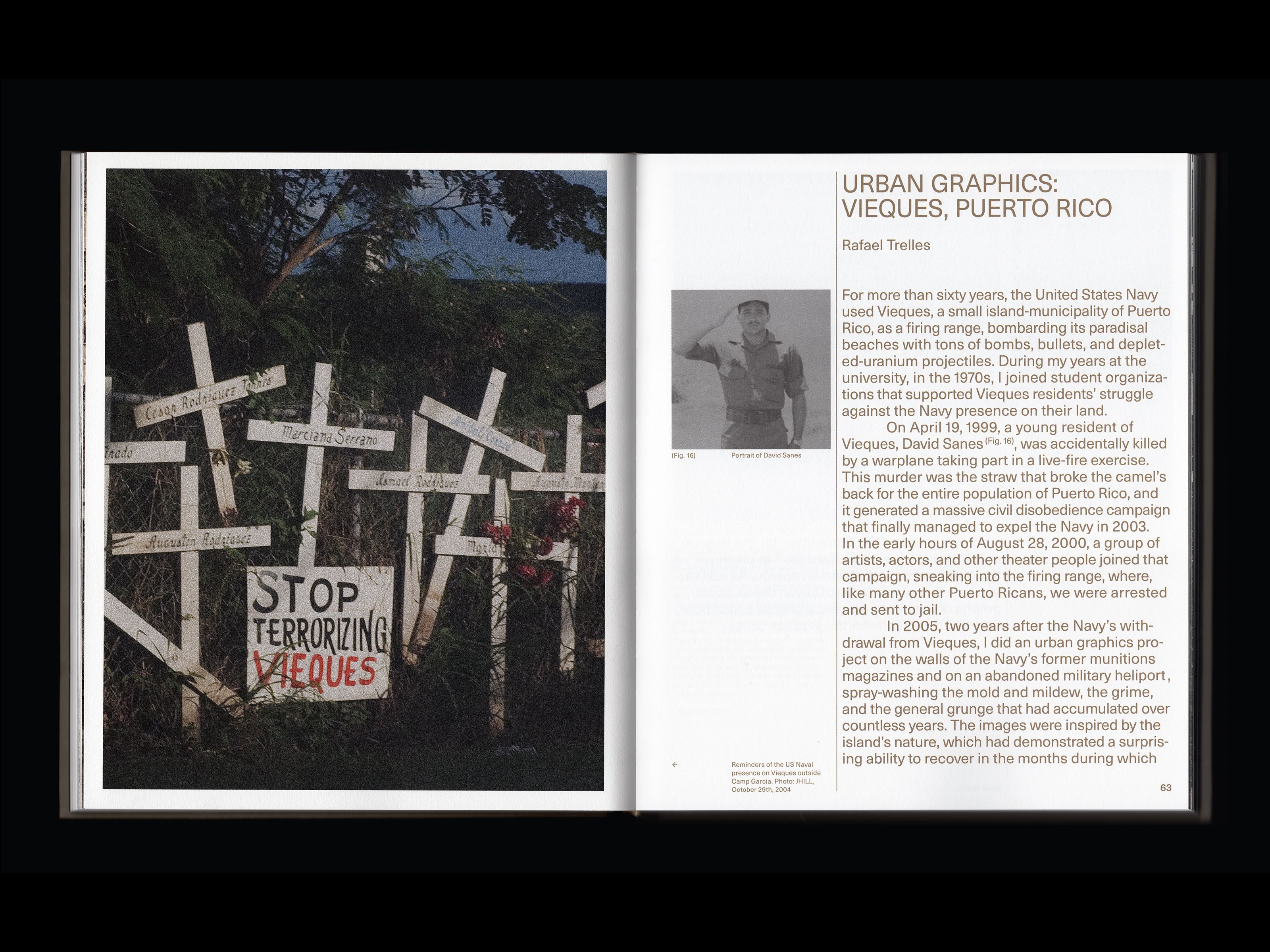
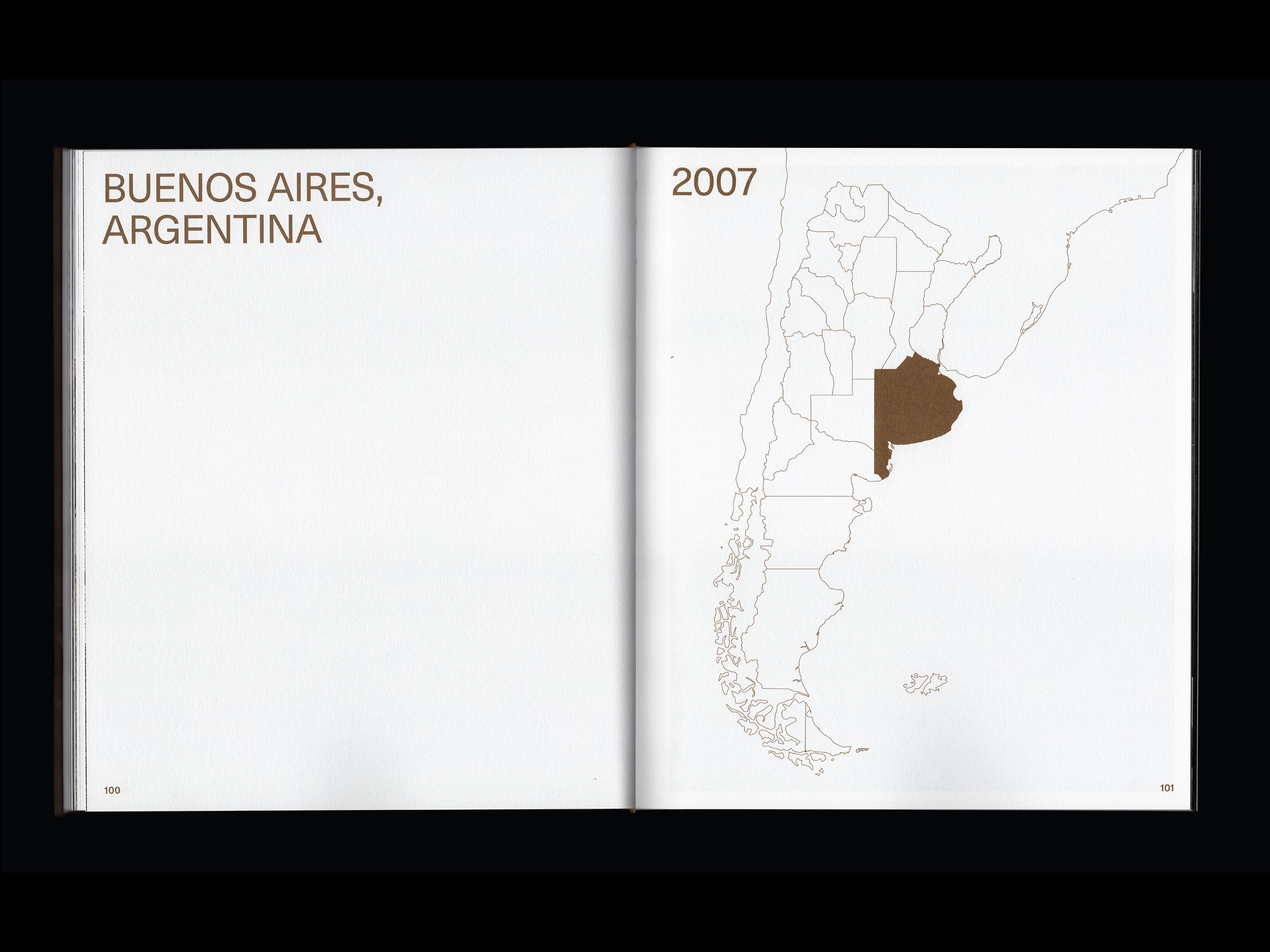
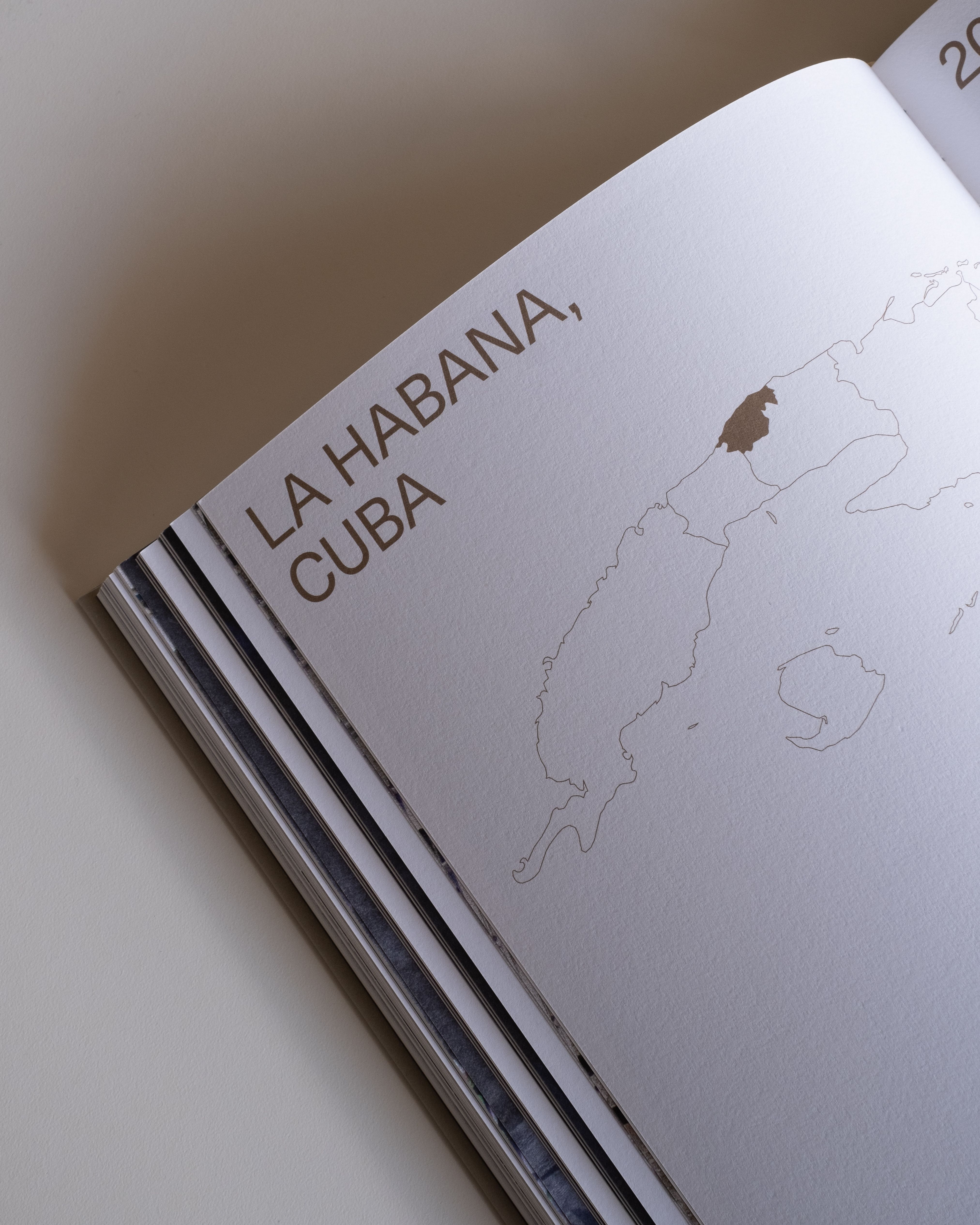
Trelles's process of subtracting urban decay is both a literal cleaning and a historical revelation. As Andrew Wasserman notes, these works ask "the viewer to consider what they see before them at a moment of encounter in relation to a past and a potential future." Because reverse graffiti is inherently temporary, the book functions as the primary vehicle for preserving these interventions. The content is structured geographically, tracing the project's evolution across six distinct locations: San Juan, Vieques, and Ponce in Puerto Rico, as well as Buenos Aires, La Habana, and Oporto & Alijó.
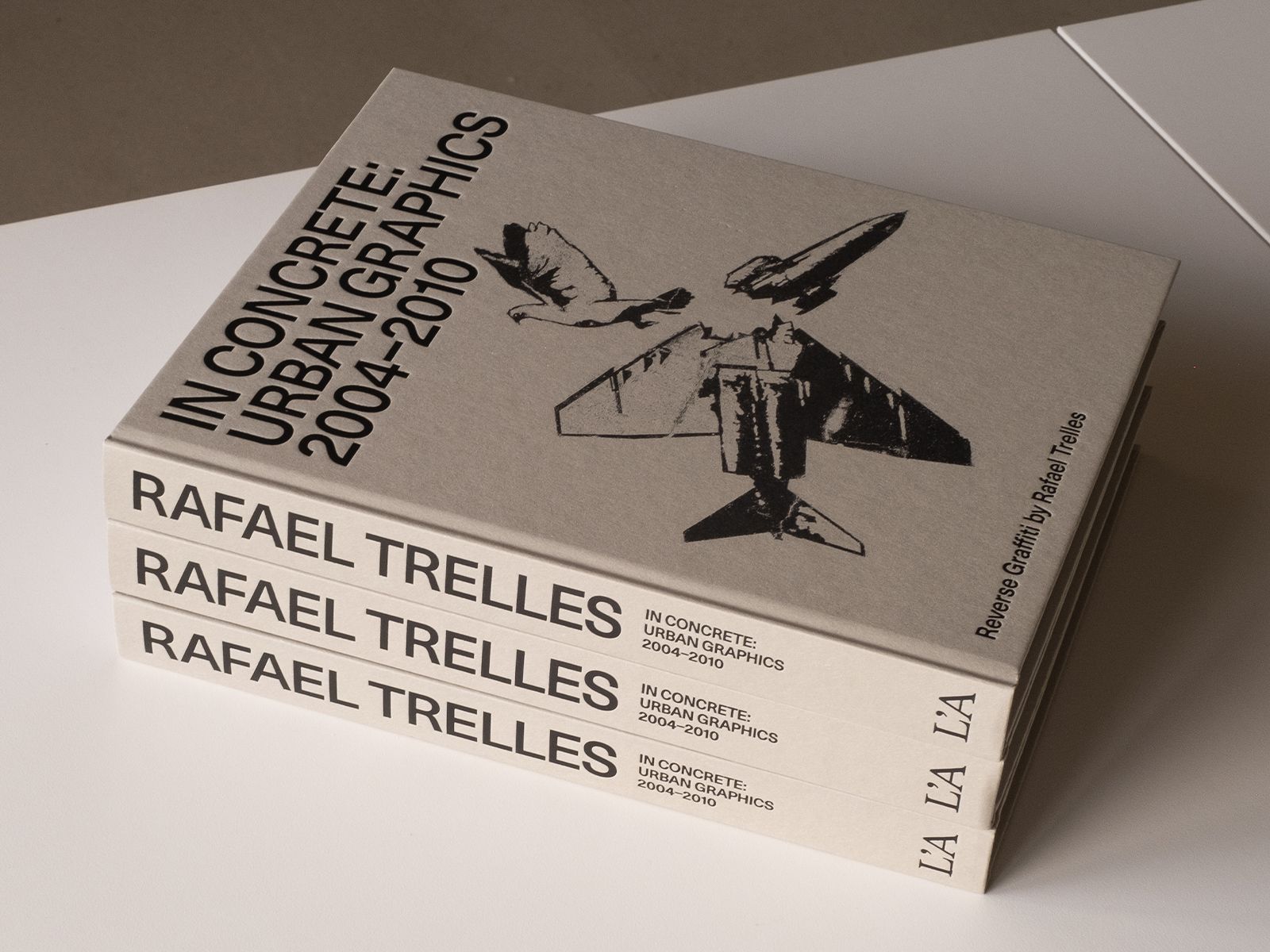
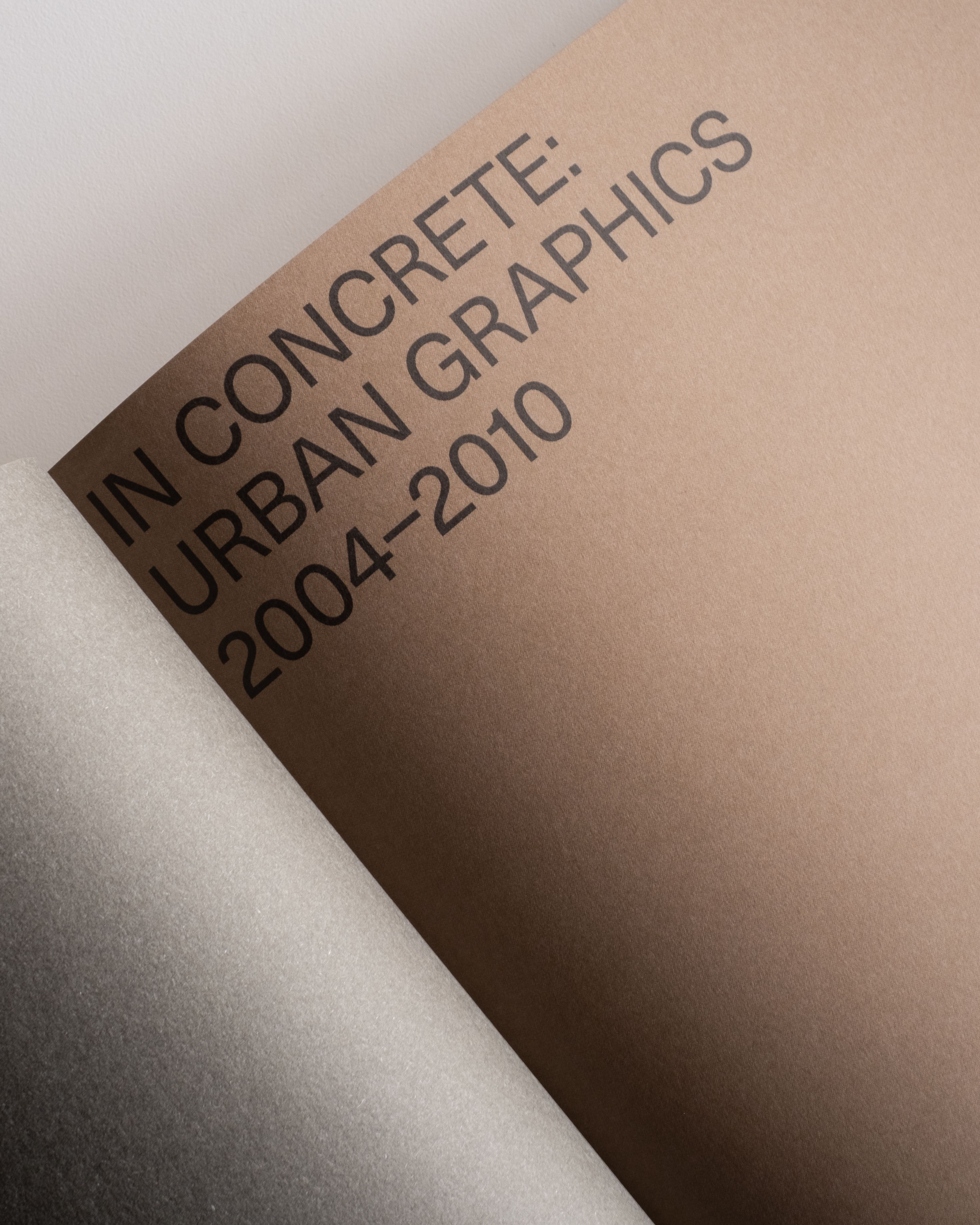
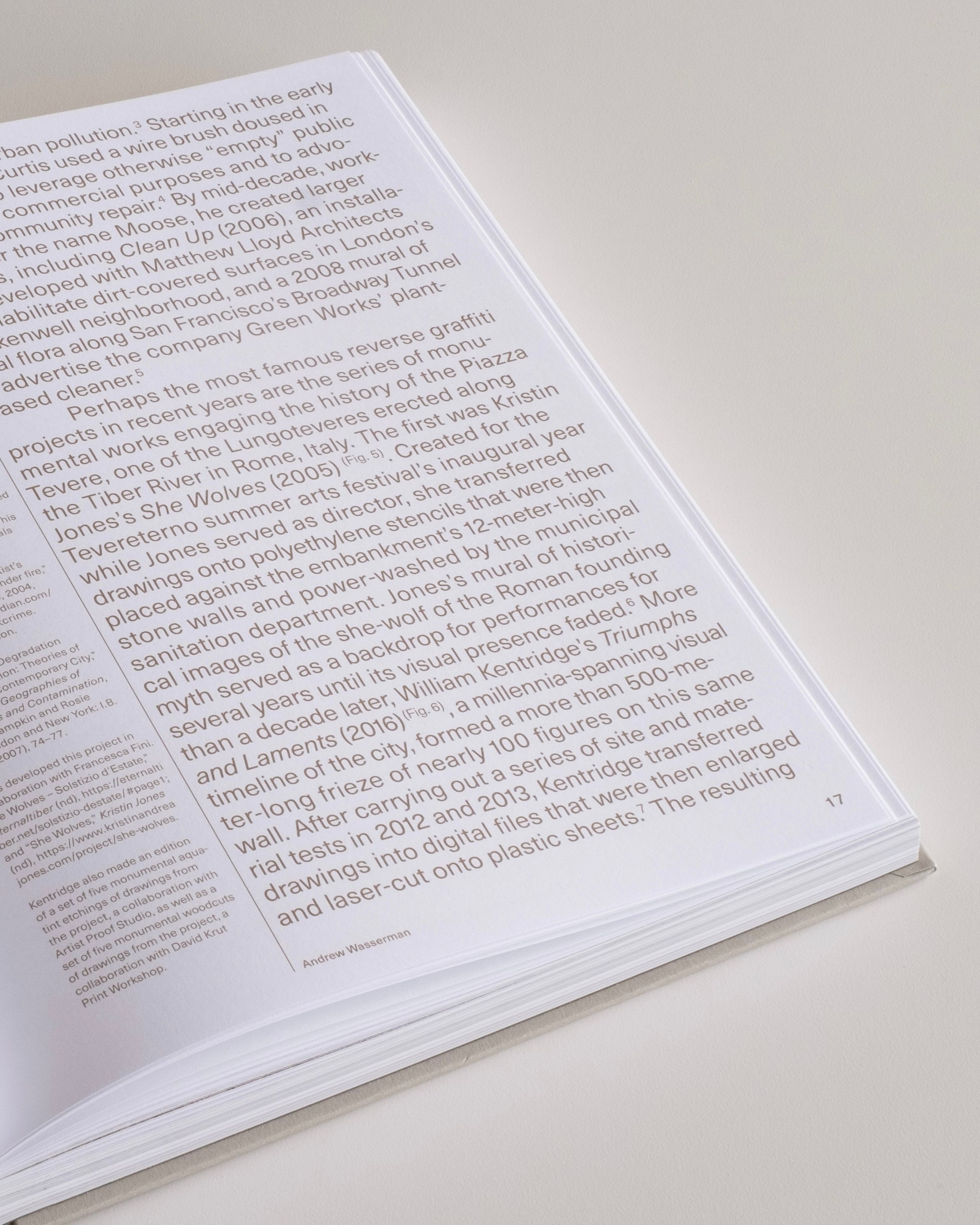
The physical properties of the book are a direct response to the artist's urban canvas. The sewn hardcover is wrapped in Fedrigoni Materica Clay, a stock selected for its textural and tonal similarities to a concrete wall. The cover features a black print of an artwork from Trelles’s Vieques interventions, paired with typography and logos hot-stamped in black matte foil. Dark endpapers in Fedrigoni Materica Pitch provide a visual transition into the book's interior.
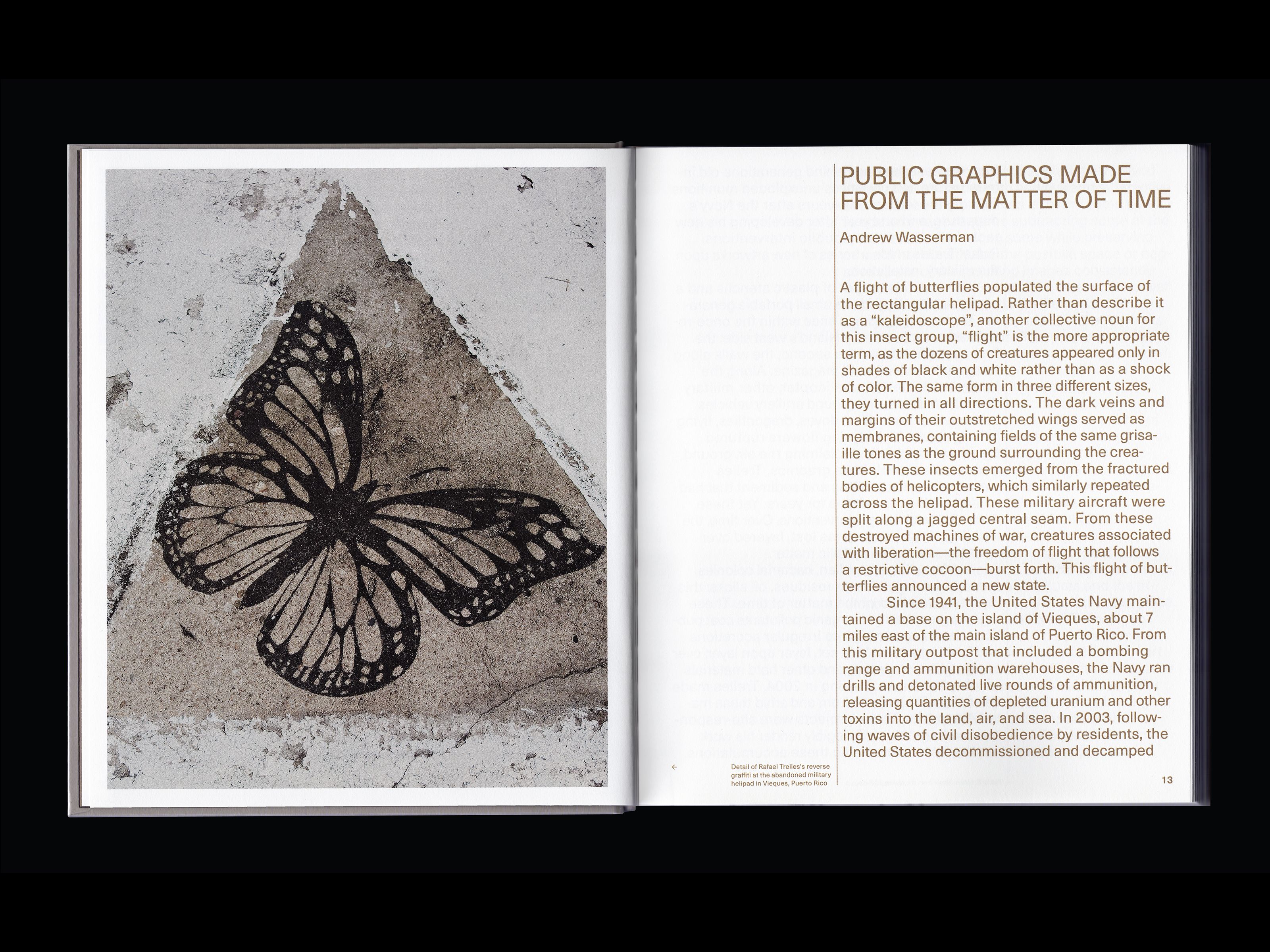
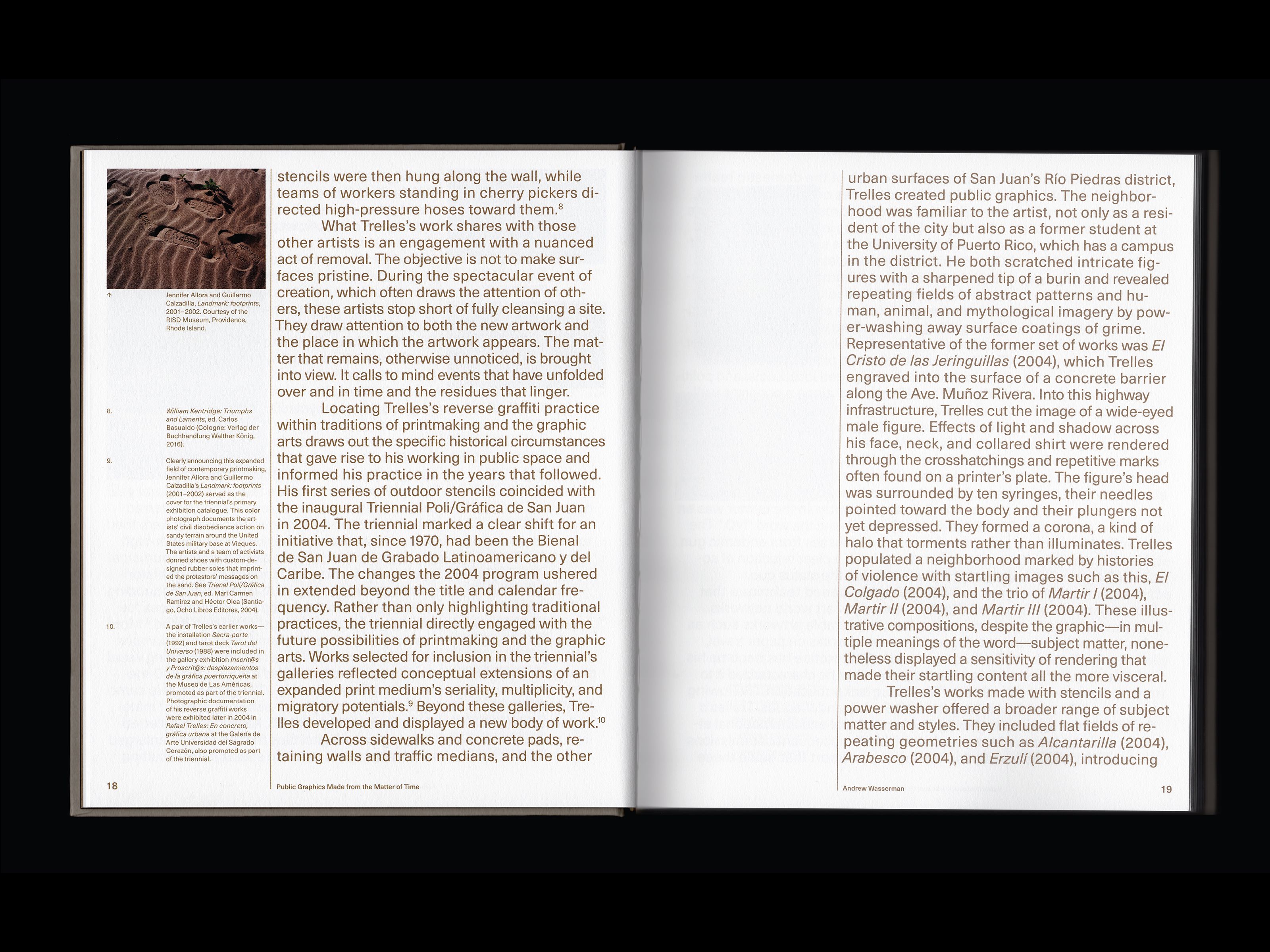
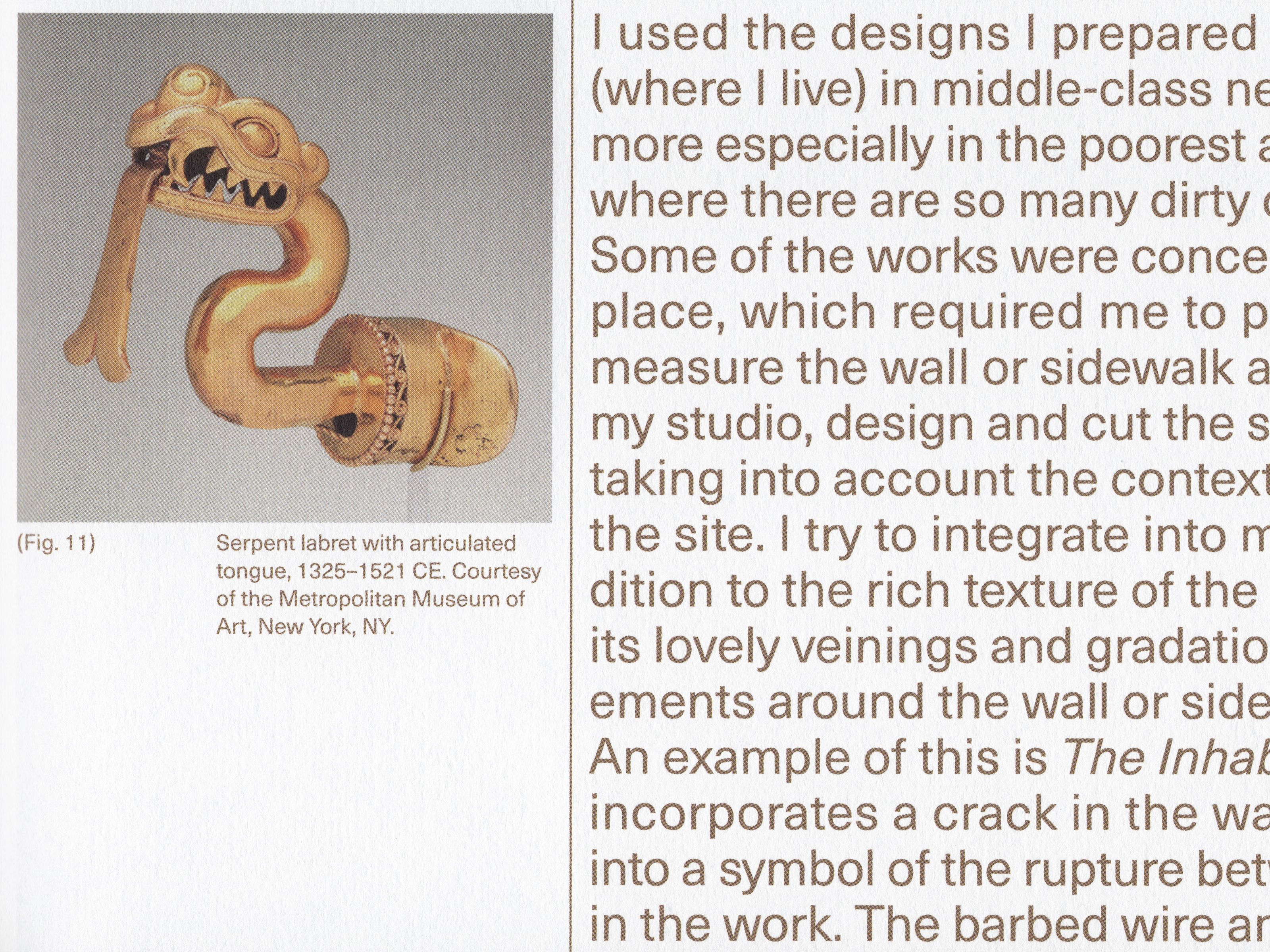
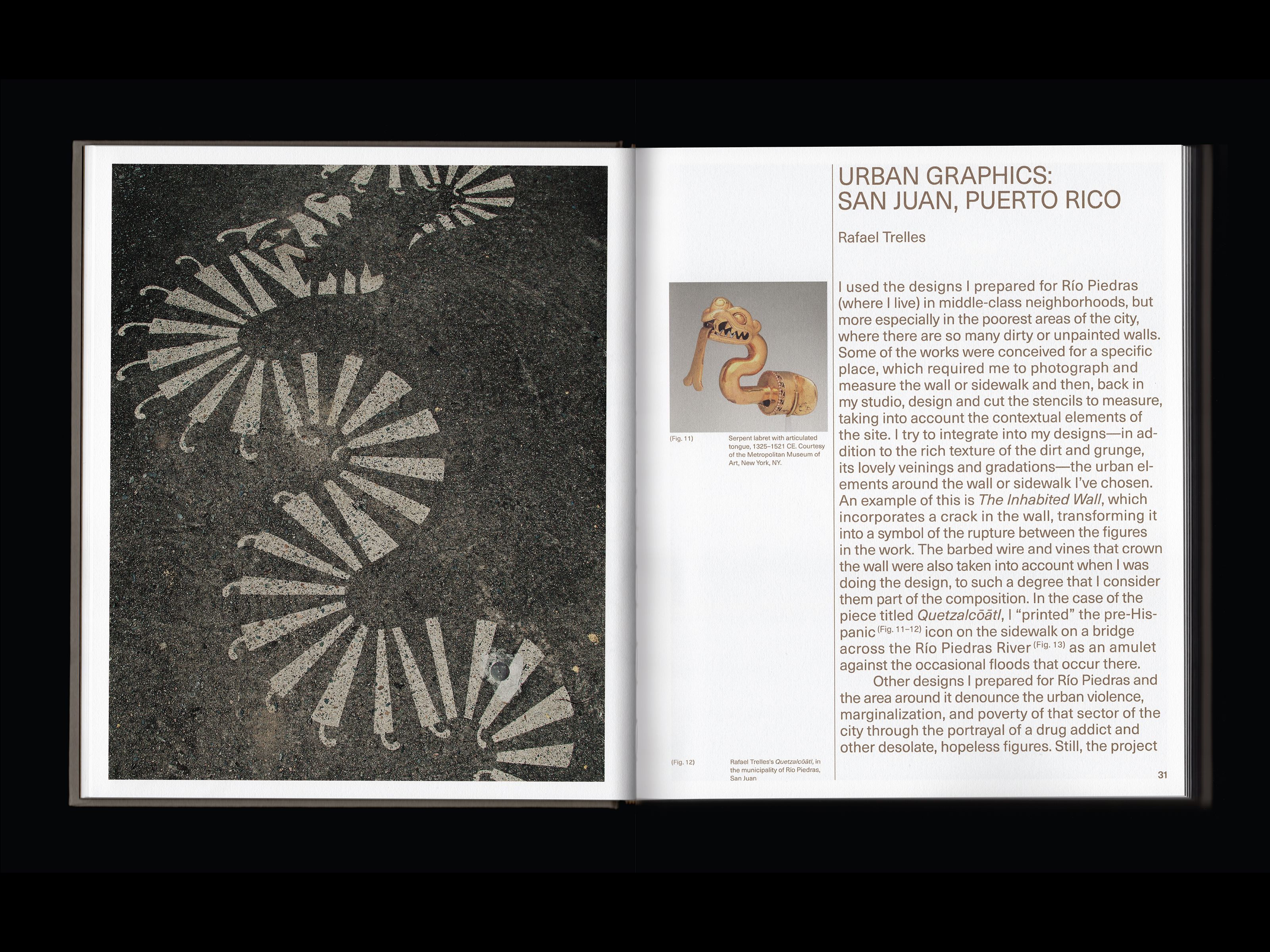
Inside, the publication is printed on Munken Polar Rough to maintain a tactile quality while ensuring high image fidelity. The layout is organized around a rigorous grid system designed to handle the dense archival material. Across all six geographic chapters, the left column is consistently reserved for figure images and marginalia, establishing a clear, functional rhythm throughout the book.